 Skip to content
How to Plan a Quality Kitchen Renovation in Newcastle
A kitchen renovation can give your home a fresh look while making the space easier to use. However, good results start with good planning. Before choosing cabinets, colours or appliances, think about how you use your kitchen and what you want to improve.
From choosing durable products to planning storage and power points, each decision can affect how well your new kitchen works. Taking the time to plan can help you create a kitchen that is stylish, practical and comfortable for years to come.
Set Your Priorities
Start by deciding what matters most to you. You may want more storage, a larger preparation area, better lighting or a completely new layout. Make a list of the features you need and the features you would like to have. This can help you stay focused and make better choices when working with your budget.
Decide on Your Preferred Kitchen Style
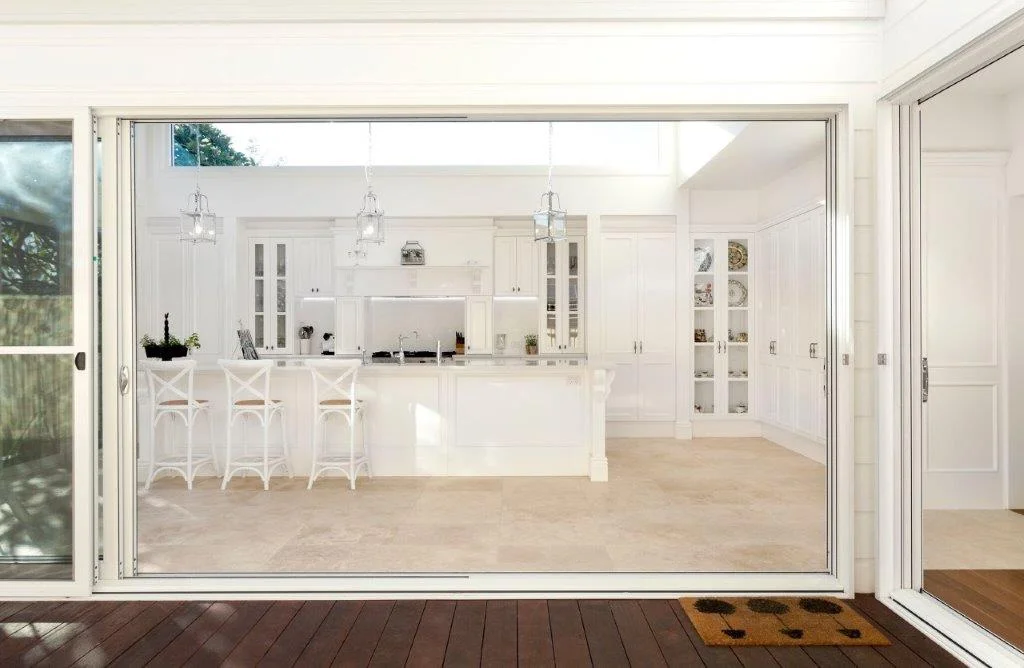
Think about the overall look you want for your kitchen. You may prefer a modern, classic, simple or coastal style. Choose colours, finishes and materials that match your taste and work well with the rest of your home. A style that suits your home is more likely to look good for many years.
Allow Enough Room for Appliances
Appliances need to fit properly into your kitchen layout. Before buying a fridge, oven, dishwasher or other appliances, check their measurements. Allow enough space for doors to open and for people to move around comfortably. Planning appliance positions early can also help make sure plumbing and electrical connections are in the right places.
Consider Professional Installation and Trades
Kitchen renovations often involve more than installing cabinets. You may need electricians, plumbers, builders or other trades to complete different parts of the project. Working with experienced professionals can help ensure each part of the renovation is completed correctly. It can also make the process easier and reduce the risk of costly mistakes.
Choose Products Based on Quality and Durability
A kitchen is used every day, so your materials need to handle regular wear and cleaning. When choosing cabinets, benchtops, handles and fixtures, look for products that are strong and suitable for everyday use. Quality products may cost more at the start, but they can provide better long-term value and help your kitchen stay in good condition.
Consider Storage Requirements
Good storage can make a kitchen much easier to keep organised. Think about what you need to store, from plates and cookware to appliances and pantry items.
Use drawers, cupboards, shelves and other storage options to make the most of your available space. Keep commonly used items in places that are easy to reach.
Choose Colours That Complement Your Home
The colours you choose can have a big effect on the look and feel of your kitchen. Consider how your cabinet doors, benchtop, splashback, flooring and walls will work together.
Neutral colours can create a timeless appearance, while stronger colours can add personality. Try to choose a colour scheme that also suits the other rooms in your home.
Think About the Amount of Preparation Space You Need
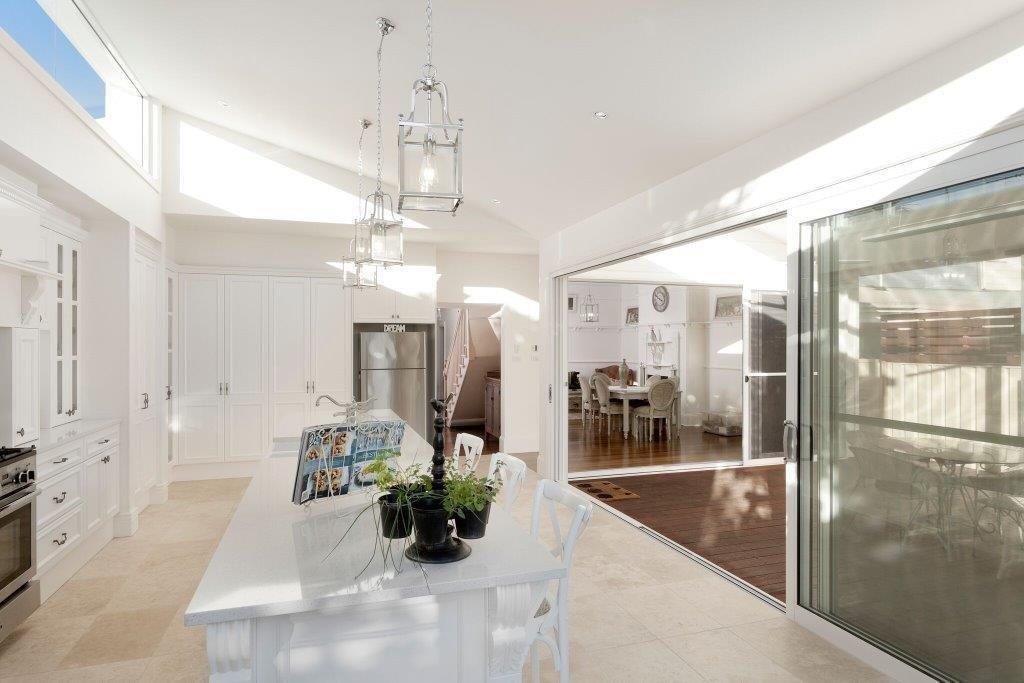
Having enough benchtop space can make cooking and food preparation much easier. Think about how much room you normally need when preparing meals.
If you enjoy cooking or often prepare meals for your family, you may need more
workspace. A kitchen island or larger benchtop can provide extra preparation space when the layout allows.
Plan Power Points Before Installation
Power points should be planned before your new kitchen is installed. Think about where you will use appliances such as kettles, toasters, coffee machines and mixers.Planning these locations early can help prevent problems later. Your electrician can also help make sure electrical work is completed safely and meets the required standards.
Use Feature Materials Where Appropriate
Feature materials can add character to your kitchen without making the design feel too busy. You could use a standout splashback, textured finish, statement handles or a different material for the island. Choose feature elements carefully so they complement the main design rather than compete with it.If children, older family members or people with different mobility needs will use the kitchen, consider these needs during the design stage.
Check Measurements and Layout
Before installation begins, check all measurements and review the final layout. Make sure cabinets, appliances, doors and drawers have enough space to work properly.It
is also worth checking the position of windows, plumbing, power points and other features. Careful checking can help prevent delays and expensive changes.
Get Professional Design Advice
Professional advice can help turn your ideas into a practical kitchen design. An experienced kitchen designer can help you make better use of your space, choose suitable products and avoid common planning mistakes.They can also help balance your preferences with your budget, storage needs and everyday requirements.
Conclusion
A successful kitchen renovation starts with careful planning. Setting your priorities, choosing durable products, allowing enough storage and preparation space, and planning appliances and power points can make a big difference. Most importantly, your new kitchen should suit your home and the people who use it. With the right design and professional guidance, you can create a space that is attractive, practical and built for everyday living.
Ready to bring your kitchen renovation ideas to life? Contact Elite Kitchens today to discuss your Newcastle kitchen renovation and get expert help with design, layout, materials and installation. Our team can help you create a practical, stylish kitchen that suits your home, lifestyle and budget.