 Skip to content

Old Farmhouse Kitchen Renovation Ideas for Modern Living
An old farmhouse kitchen has a special charm that makes a home feel warm, welcoming and full of character. Traditional cabinets, natural materials and simple finishes can create a timeless look. However, older kitchens may have limited storage, worn surfaces and layouts that no longer suit modern living.
Renovating an old farmhouse kitchen gives you the chance to preserve its original beauty while improving comfort and function. With careful planning, suitable materials and a practical design, you can create a kitchen that combines traditional style with modern convenience.
Whether you are restoring a country home or updating an older property, a well-planned renovation can make your kitchen a more enjoyable place to cook, eat and spend time with family.
Understanding the Old Farmhouse Kitchen Style
Farmhouse kitchens are known for their relaxed atmosphere, natural materials and practical design. Traditional features may include timber cabinets, exposed beams, brick walls, ceramic sinks and vintage-style handles. These details give the room a sense of history and warmth.
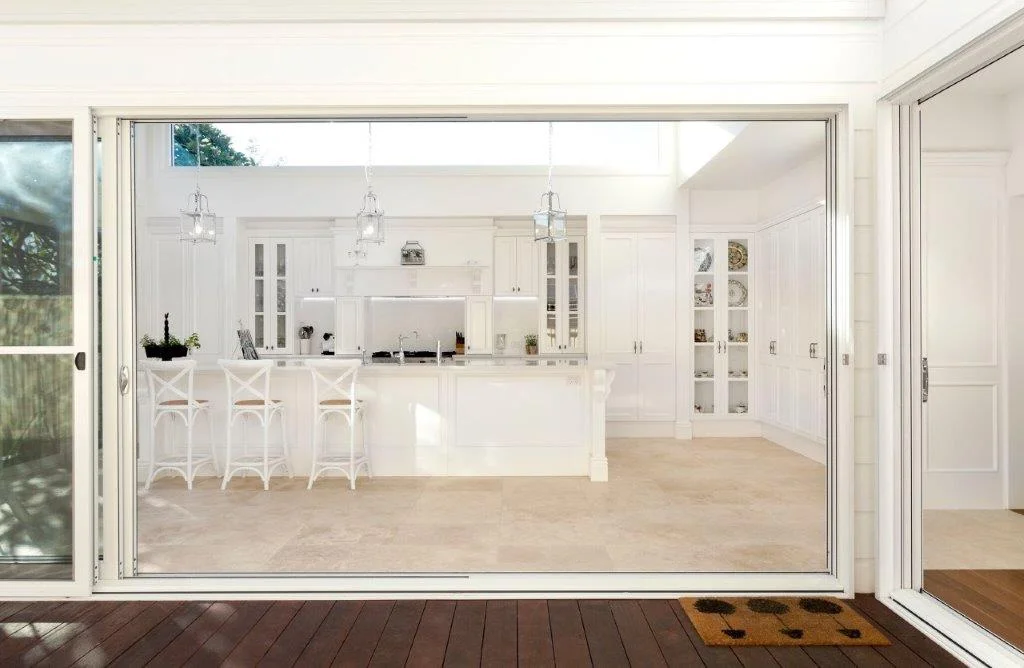
Neutral colours, such as white, cream and soft grey, are popular because they create a calm and timeless background. Timber, stone and textured tiles can add interest, while open shelves provide space for displaying dishes and decorative items.
You can also combine traditional details with modern features. Updated appliances, better lighting and smart storage can improve daily use without taking away the farmhouse charm. The goal is to create a kitchen that suits your lifestyle while respecting the character of your home.
Planning Your Farmhouse Kitchen Renovation
Careful planning is the first step towards a successful renovation. Start by looking at your current kitchen and deciding what needs improvement. You may need more bench space, extra cupboards, better lighting or a layout that makes cooking easier.
Measure the room and consider the location of windows, doors, plumbing and electrical points. These details can affect your design choices and overall costs. It is also helpful to decide which original features you want to keep before making major changes.
Set a realistic budget and plan your cabinets, benchtops, appliances and finishes before work begins. Allow some extra money for unexpected repairs, as older homes may have hidden problems behind walls, floors or cupboards. A clear plan can help reduce delays, avoid unnecessary spending and make the renovation easier to manage.
Preserving Original Features and Character
One of the best parts of renovating an old farmhouse kitchen is keeping the features that make it unique. Original timber beams, exposed brickwork, floorboards and traditional windows can add charm and a sense of history.
Before removing older features, consider whether they can be repaired or restored. Timber cabinets may look attractive after sanding and repainting, while original floorboards may only need repairs and refinishing. Small details, such as vintage handles and traditional doors, can also add character.
However, not every old feature should be kept. Damaged materials, faulty wiring, plumbing problems and signs of moisture may need professional attention. Some older homes may also contain hazardous materials, such as asbestos, which require assessment and safe handling by qualified professionals.
Preserving the right features allows you to respect the home’s history while creating a kitchen that is safe and suitable for modern living.
Choosing Farmhouse Kitchen Cabinets
Cabinets play a major role in the appearance and function of a farmhouse kitchen. Shaker-style doors, framed cabinet fronts and natural timber finishes are popular choices because they suit traditional interiors.
White and cream cabinets can make a kitchen feel bright and spacious. Timber finishes add warmth, while muted green, navy and earthy colours can create a more distinctive look. Choose colours that work well with your benchtops, flooring and original features.
Storage is just as important as appearance. Deep drawers, pull-out shelves and well-designed cupboards make everyday items easier to reach. Custom cabinetry can also help you make better use of awkward corners and unusual spaces often found in older homes.
Choose durable materials and finishes that are easy to clean and can handle daily use. Well-designed cabinets can improve the kitchen’s appearance while providing practical storage for years to come.
Selecting Benchtops and Natural Materials
The right benchtop can bring your farmhouse kitchen design together. Timber, natural stone and engineered surfaces are popular options, each offering different benefits in appearance, durability and maintenance.
Timber benchtops create a warm, natural look but need suitable sealing and regular care to protect them from moisture and stains. Natural stone offers unique patterns and a quality finish, although care requirements depend on the type of stone. Engineered surfaces may provide a more consistent appearance and different maintenance options.
Consider how often you cook, how much care you are willing to provide and how the material fits your budget. Your benchtop should look attractive while offering a reliable surface for food preparation and everyday activities.
Other natural materials, such as timber shelves, ceramic tiles and stone splashbacks, can add texture and support the farmhouse style. Choose materials that complement each other to create a balanced and welcoming space.
Farmhouse Sinks and Traditional Tapware
A farmhouse sink is a popular feature in traditional kitchen design. It often has a deep bowl and a front panel that extends slightly beyond the cabinets. This design creates a strong visual feature and provides useful space for washing large pots, pans and baking trays.
Ceramic sinks are popular for their classic appearance, while stainless steel offers a practical option for busy households. Before choosing a sink, check its size, installation requirements and compatibility with your cabinets and plumbing.
Traditional tapware can complete the look. Chrome, brushed brass, bronze and matte black finishes can all suit farmhouse kitchens. The best choice depends on your cabinets, benchtops and other fittings.
Choose taps that are comfortable to use, easy to clean and suitable for your plumbing system. A well-matched sink and tap can add character while making everyday kitchen tasks easier.
Choosing Colours, Textures and Finishes
Colour helps create the right mood in a farmhouse kitchen. Warm whites, cream, beige and soft grey provide a calm background, while natural timber and stone add depth and interest.
If you want more colour, consider sage green, dusty blue or earthy tones. These shades work well with traditional cabinetry and natural materials. You could also use a contrasting colour on a kitchen island to create a focal point.
Texture is another important part of farmhouse design. Timber grain, matte cabinet finishes, textured tiles and natural stone can make the room feel warm and inviting. Combining a few different textures can add interest without making the kitchen look crowded.
Before making a final decision, view samples together in your kitchen. Colours may look different under natural and artificial lighting, so testing them in the actual space can help you choose a combination that works well.
Flooring Options for a Farmhouse Kitchen
Kitchen flooring needs to look good while standing up to spills, foot traffic and regular cleaning. In an old farmhouse, existing timber floorboards may be worth restoring if they are in suitable condition.
Timber flooring creates a warm and traditional appearance, but it needs protection from moisture. Tiles are another popular choice because they are durable and available in many colours and patterns. Porcelain tiles with a timber or natural stone look can also suit farmhouse interiors.
When choosing flooring, consider cleaning needs, slip resistance and how the material will work with your cabinets and benchtops. It is also important to check the condition of the subfloor before installing a new surface.
Fixing moisture problems, uneven areas or damaged boards early can help prevent future issues. The right flooring should complement the farmhouse style while providing a safe and practical surface for daily use.
Blending Traditional Style With Modern Appliances
Modern appliances can make an old farmhouse kitchen more efficient without taking away its traditional charm. Ovens, cooktops, fridges and dishwashers provide useful features that support everyday cooking and cleaning.
For a classic look, choose appliances with simple designs or finishes that complement the cabinets and benchtops. Integrated appliances can create a neat appearance, while stainless steel models can add a modern touch.
Energy and water efficiency are also worth considering. Compare product labels, capacity and running costs before making a decision. Efficient appliances may help reduce household energy or water use over time.
Plan appliance locations before installing cabinetry. The fridge, sink, cooktop and main preparation area should work together so you can move around easily. Proper ventilation, electrical connections and installation clearances are also important. The aim is to enjoy modern convenience while keeping the warmth and character of a farmhouse kitchen.
Improving Storage and Kitchen Functionality
Older farmhouse kitchens may have small cupboards, limited bench space or shelves that are difficult to reach. A renovation provides an opportunity to make better use of the available room.
Deep drawers can store pots and pans, while pull-out shelves make items at the back of cupboards easier to reach. Drawer organisers help keep cutlery and cooking tools tidy. Open shelves can display attractive dishes, but enclosed cupboards are useful for protecting everyday items from dust and grease.
Think about where you prepare food, cook, wash dishes and store groceries. Keep frequently used items close to the areas where they are needed. This can reduce unnecessary movement and make daily tasks easier. If space is limited, consider using the full height of the room where practical and making better use of unused corners. Smart storage helps keep the kitchen organised without losing its relaxed farmhouse style.
Creating an Open and Practical Kitchen Layout
A practical kitchen layout allows people to move around comfortably. Older homes may have kitchens separated from dining areas or narrow walkways that make cooking difficult. Depending on the building’s structure, a renovation may offer opportunities to improve the flow between rooms.
Before removing a wall, check whether it supports the roof or upper floors or contains plumbing and electrical services. Structural changes should be assessed by qualified professionals, and any required approvals should be obtained.
A kitchen island can provide extra preparation space, storage and seating if the room is large enough. In smaller kitchens, a peninsula or a better arrangement of cabinets may offer similar benefits without blocking walkways.
Keep enough space around appliances, cupboards and work areas so people can cook and move safely. The best layout is one that suits your household and makes everyday tasks easier.
Choosing Durable and Sustainable Materials
Durable materials can help your farmhouse kitchen last longer and reduce the need for frequent repairs or replacement. Choose cabinets, benchtops, flooring and fittings that suit the level of use they will receive.
Timber from responsibly managed sources, recycled materials and products with clear environmental information may be suitable choices. Restoring existing cabinets, doors and floorboards can also reduce waste when these features are still in good condition.
Water-efficient taps and appliances, along with energy-efficient lighting, can help reduce resource use. Good ventilation and moisture control are important too, as they help protect surfaces and improve comfort.
Sustainable choices should suit your budget and maintenance needs. Compare the expected lifespan, cleaning requirements and replacement costs of different materials before making a decision.
A kitchen designed to last can provide long-term value while supporting a more thoughtful approach to renovation.
Setting a Budget for Your Renovation
A clear budget helps you make sensible decisions throughout your kitchen renovation. Costs may include design, cabinetry, benchtops, flooring, appliances, lighting, plumbing, electrical work, labour and waste removal.
The final cost depends on the size of the kitchen, the materials you choose and the amount of work required. Keeping the existing layout and restoring suitable features may help control costs. Moving plumbing, changing structural elements or replacing most of the kitchen can increase the budget.
Ask for detailed quotes that explain what is included and whether extra charges may apply. Compare the scope of work, materials, installation and expected time frame rather than choosing a contractor based on price alone.
It is also wise to set aside money for unexpected problems, especially in older homes where hidden damage may only become clear during construction. Set priorities before spending money. Focus first on safety, essential repairs and practical improvements, then choose decorative details that fit your remaining budget.
Common Farmhouse Kitchen Renovation Mistakes to Avoid
One common mistake is focusing only on appearance. A beautiful kitchen may still be difficult to use if there is not enough bench space, storage or room to move around. Think about daily tasks before finalising the design.
Another mistake is removing original features without checking whether they can be repaired. Older timber, brickwork and cabinetry may add character when properly restored. However, damaged or unsafe materials should be assessed by qualified professionals.
Choosing materials based only on appearance can also cause problems. Some surfaces need more care than others, so consider cleaning, durability and moisture resistance before making a decision. Poor planning can lead to delays, extra costs and appliances that do not fit. Measure carefully, confirm product sizes and organise trades in the correct order.
Finally, avoid spending the entire budget on cabinets and finishes while overlooking plumbing, electrical work, ventilation and lighting. A successful renovation needs to look good and work well behind the scenes.
Working With Experienced Kitchen Renovation Professionals
Renovating an old farmhouse kitchen can involve more than replacing cabinets and benchtops. Older homes may have uneven floors, unusual room dimensions, outdated services or structural issues that require specialist attention.
An experienced kitchen renovation team can help you plan the layout, select suitable materials and make the most of the available space. Professional guidance can also help you balance traditional details with modern storage, appliances and lighting.
When choosing a renovation company, review its previous work and ask about its experience with older homes. Request a written quote that explains the proposed work, materials and expected time frame. It is also important to check relevant licences, insurance and references.
Clear communication helps the project run more smoothly. Discuss your priorities, budget and design choices before work begins, and ask how progress and unexpected issues will be managed.
Elite Kitchens can be a starting point for discussing your kitchen renovation needs, cabinetry options and design ideas. Choose a team that understands your goals and can help turn them into a practical plan for your home.
Conclusion
An old farmhouse kitchen renovation is an opportunity to preserve the charm of your home while creating a more comfortable and functional space. Original timber, traditional cabinetry, natural materials and classic colours can maintain the kitchen’s character, while modern appliances, improved lighting and smart storage make everyday tasks easier.
The best results come from careful planning, a realistic budget and materials suited to your lifestyle. By balancing old and new features, you can create a kitchen that feels welcoming, works well and stands the test of time.
Ready to transform your old farmhouse kitchen? Contact Elite Kitchens to discuss your
renovation ideas, explore custom cabinetry and plan a kitchen that combines timeless farmhouse character with modern functionality.