 Skip to content

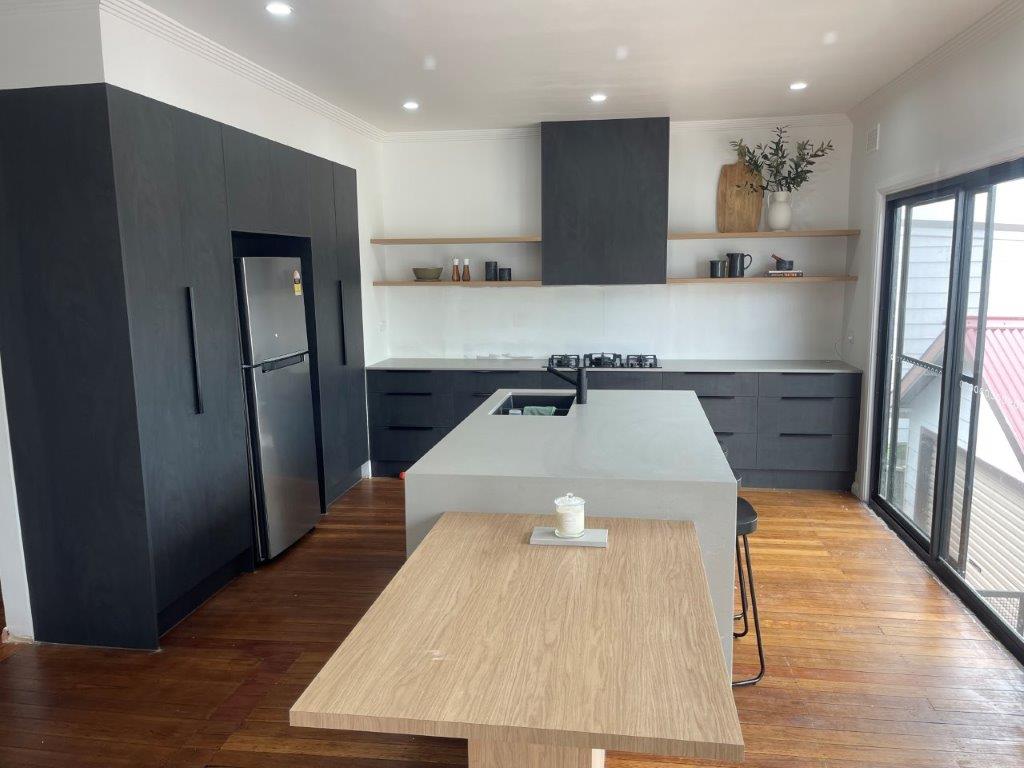
Kitchen Renovation for Profit: Ideas That Maximise Returns
A kitchen renovation can be a smart way to improve your home and increase its appeal to potential buyers or tenants. A well-designed kitchen can make a property more attractive, improve daily living and help it stand out in the market.
However, making a profit from a kitchen renovation takes careful planning. Spending more money does not always mean your property will be worth more. The key is to choose the right improvements, control costs and understand what buyers and renters are looking for.
Whether you are preparing a property for sale, improving a rental home or updating your own kitchen, a clear plan can help you get better value from your investment.
Size and Scope of Renovation
The size of your renovation has a major effect on the total cost and potential return. A small update may involve replacing handles and upgrading lighting. A larger renovation could include new cabinetry, benchtops, appliances, flooring and changes to the kitchen layout.
Before starting, decide what needs to be improved and what can stay. If your existing kitchen is in good condition, simple updates may be enough to give it a fresh look. If the cabinets are damaged or the layout does not work well, more extensive changes may be needed.
Focus on improvements that solve real problems and make the kitchen more useful.
A renovation that suits the property and its likely buyers is often a better investment than an expensive design that goes beyond what the market expects.
Material Selection
Choosing the right materials is important when renovating a kitchen for profit. Materials affect the appearance, durability and ongoing maintenance of the space. They also have a direct impact on your budget.
Cabinetry, benchtops, splashbacks and flooring should be selected to suit the home’s style and expected use. Durable materials can help the kitchen look good for longer, while easy-to-clean surfaces may appeal to busy families and rental property owners.
You do not always need the most expensive products to achieve a quality result. Affordable materials can still look stylish when they are well chosen and professionally installed. Neutral colours, simple finishes and classic designs can also help the kitchen appeal to a wider range of people.
Labour Costs
Labour is an important part of a kitchen renovation budget. Depending on the project, you may need cabinetmakers, electricians, plumbers, tilers, painters and other tradespeople.
The cost will depend on the size of the job, the work involved and the time needed to complete it. Moving plumbing or electrical points, removing walls and changing the layout can increase labour costs.
Ask for detailed quotes before work begins. Make sure each quote explains what is included, such as removing old cabinets, installing new products, connecting appliances and cleaning up the work area. Comparing quotes can help you understand the costs, but do not choose a contractor based on price alone. Good planning can also reduce delays and extra labour. Having materials ready and decisions made before work starts helps the project run more smoothly.
Working With Experienced Kitchen Renovation Professionals
Experienced kitchen renovation professionals can help you make informed decisions about design, materials, costs and installation. Their knowledge can be especially useful when you want to improve a property without spending more than necessary.
A professional team can assess your existing kitchen, recommend practical improvements and help create a layout that suits your needs. Custom cabinetry can make better use of available space, while suitable benchtops and finishes can improve the kitchen’s appearance and durability.
Before choosing a renovation company, review its previous work, ask about its experience and request a clear quote. Check what is included in the project and confirm how changes or unexpected problems will be handled. Working with the right professionals can help reduce avoidable mistakes and give you a kitchen that looks appealing and functions well.
Kitchen Layout Modifications
The kitchen layout affects how easy it is to cook, clean and move around. A poor layout can make even a newly renovated kitchen feel cramped or inconvenient.
Before changing the design, consider how people use the space. There should be enough room to prepare food, store cooking equipment and access appliances safely. Good storage and clear work areas can make a kitchen more practical without requiring major structural changes. Moving a sink, oven or plumbing connection may improve the layout, but it can also increase the cost. Where possible, keeping existing services in place may help you save money.
If you are renovating to sell or rent, choose a layout that suits the size and style of the property. A functional kitchen can appeal to more people than one with expensive features but limited workspace.
Understanding the Kitchen Renovation Market
Understanding your local property market can help you decide which kitchen improvements are worth the investment. The features buyers want in a family home may be different from those expected in a small apartment or rental property.
Research similar properties in your area and look at the condition, size and style of their kitchens. Notice which features appear regularly, such as practical storage, durable benchtops, modern appliances and easy-to-maintain finishes.
Consider the likely buyer or tenant before making design choices. A family may value extra storage and a large preparation area, while a smaller household may prefer a compact kitchen with efficient use of space.
Avoid spending money on features that are unlikely to add value in your local market. The goal is to create a kitchen that suits the property and meets realistic expectations.
Setting a Realistic Renovation Budge
A realistic budget helps keep your renovation under control. Start by listing the work required, including cabinetry, benchtops, appliances, flooring, lighting, plumbing, electrical work and installation.
Get quotes for major items and compare products before making final decisions. Remember to include waste removal, delivery, permits where required and any temporary costs caused by the renovation.
It is also wise to set aside a contingency amount for unexpected issues, such as water damage, faulty wiring or repairs discovered after old cabinets are removed. The amount you need will depend on the age and condition of the kitchen.
Keep track of spending throughout the project. If one part of the renovation costs more than expected, you may need to adjust another part to stay within budget.
Improving Kitchen Layout and Functionality
A profitable kitchen renovation should improve more than appearance. It should also make the space easier to use every day.
Good storage is one of the most useful improvements. Deep drawers, organised cupboards and well-planned shelving can help keep cooking equipment and everyday items within easy reach. Extra bench space can also make food preparation more comfortable.
Lighting is another important feature. A mix of general lighting and task lighting can make work areas brighter and safer. Durable flooring, practical splashbacks and easy-to-clean surfaces can further improve the kitchen’s long-term usefulness.
Think about how the kitchen connects with nearby dining and living areas. A well-planned space can feel more open and welcoming, which may improve the property’s appeal.
Choosing Cost-Effective Materials
Cost-effective materials can help you achieve a quality finish without using up your entire budget. The best choice depends on the kitchen’s style, how often it will be used and how long the materials need to last.
For example, laminate benchtops may offer an affordable option, while other surfaces may suit projects with a larger budget. Cabinet finishes should be selected for their appearance, durability and cleaning needs. Flooring should also be suitable for a busy area where spills are common.
Compare the full cost of each product, including delivery, installation and maintenance.
A cheaper material may not be the best value if it wears out quickly or needs frequent repairs.
Ask your kitchen renovation professional about alternatives that offer a similar appearance or performance at a lower price. Choosing suitable materials from the start can help reduce future costs.
Creating a Modern and Appealing Design
A modern kitchen does not need to follow every new trend. For a renovation aimed at resale or rental, a simple and timeless design may appeal to more people.
Neutral colours, clean cabinet lines, practical storage and coordinated finishes can create a fresh appearance. You can add character through handles, tapware, lighting or a feature splashback without making the whole design too specific.
Make sure the kitchen matches the rest of the property. A very modern kitchen may look out of place in an older home if the design ignores its original features. Similarly, an elaborate renovation may not suit a modest property. The aim is to create a welcoming kitchen that feels well planned, suits the home and is likely to remain attractive for years.
Knowing Where to Spend and Save
Not every part of a kitchen renovation needs the same level of investment. Knowing where to spend and where to save can help you achieve a better result within your budget.
It may be worth investing in well-made cabinetry, quality installation and durable surfaces because these features affect daily use and long-term performance. Good lighting and practical storage can also make a noticeable difference.
You may be able to save by keeping the existing layout or choosing affordable fixtures with a clean design. If appliances still work well and suit the kitchen, replacing them may not be necessary. Before approving an upgrade, ask whether it will improve function, appearance, durability or buyer appeal. If it does not offer a clear benefit, the money may be better spent elsewhere.
Increasing Property Appeal on a Budget
You can often improve a kitchen’s appearance without completing a full renovation. Small changes may be enough when the existing space is in reasonable condition.
Fresh paint, updated cabinet handles, improved lighting and new tapware can make an older kitchen feel more current. Cleaning grout, repairing damaged surfaces and removing clutter can also improve the overall presentation.
For a property that will be sold or rented, focus on visible improvements that make the kitchen look clean, bright and well maintained. A tidy, functional space can make a positive impression without requiring a large budget.
Calculating Your Potential Return on Investment
Before starting a renovation, estimate whether the expected financial benefit justifies the cost. A kitchen renovation may increase a property’s appeal, but it does not guarantee a higher sale price or rental income.
Start by estimating the property’s current market value and researching similar properties in the area. Consider what the property might be worth after the renovation, using realistic estimates rather than assuming every dollar spent will be recovered.
Include all project costs in your calculations. These may cover materials, labour, appliances, design fees, permits, waste removal and any extra expenses. If you are selling, also consider selling costs and the time needed to complete the project.
For rental properties, consider the likely increase in rent and how long it may take to recover the renovation cost. A local real estate agent or qualified property valuer can help you assess realistic expectations.
Avoiding Common Kitchen Renovation Mistakes
Poor planning can reduce the value of a kitchen renovation. One common mistake is spending too much on features that do not suit the property or the local market. Expensive finishes may look impressive, but they may not deliver the return you expect.
Another mistake is choosing materials based only on price. Low-quality products or poor installation can lead to repairs and extra costs later. It is also important not to overlook storage, lighting, ventilation and enough space to move around safely.
Changing the layout without considering plumbing, electrical work and structural requirements can cause delays and increase costs. Make sure the design is practical before ordering materials or starting construction.
Finally, avoid beginning work without a clear budget, agreed scope and schedule. Careful planning and regular communication with your renovation team can help prevent misunderstandings and keep the project on track.
Preparing the Property for Sale or Rental
If you are renovating to sell or rent, the kitchen should be ready to make a strong first impression. Buyers and tenants often look for a space that feels clean, practical and easy to maintain.
Before listing the property, complete unfinished work, repair damaged surfaces and make sure cupboards, drawers, taps and appliances function properly. Clean the benchtops, splashbacks, flooring and windows, and remove unnecessary items to make the space feel more open.
For a rental property, choose durable finishes that can handle regular use and are easy to maintain. For a home being prepared for sale, pay attention to presentation and make sure the kitchen suits the rest of the property.
You should also keep records of renovation costs, invoices and relevant warranties. These documents can help with future maintenance and provide useful information when managing or selling the property.
Conclusion
A kitchen renovation can improve a property’s appearance, functionality and appeal, but making a profit depends on careful decisions. By understanding the local market, setting a realistic budget and choosing suitable materials, you can focus your spending on improvements that offer genuine value.
The best results come from balancing design, quality and cost. Practical layouts, well-planned storage, durable cabinetry and timeless finishes can create a kitchen that works well and appeals to potential buyers or tenants.
Planning a kitchen renovation? Contact Elite Kitchens to discuss your ideas, explore custom cabinetry and benchtop options, and create a practical kitchen designed to suit your property and budget.